Friday, June 24, 2022

300 MVA of New Capacity: The Economic Case for Abuja's New Kuje/Wumba/Lokogoma Substations

Focus: Economic Perspective | Kuje/Wumba/Lokogoma Substations, FCT Abuja | $48,624,245 | 5x60MVA = 300MVA | TCN + ICC | Certified 24 June 2022

Electricity cannot power an economy if it cannot reach it. A $48.6 million transmission project in the Federal Capital Territory tackles one of the most overlooked bottlenecks in Nigeria's power sector.

When Nigerians talk about electricity, the conversation usually turns to generation: how many megawatts power stations can produce. But generation is only part of story. Power must be transmitted, transformed and distributed before it reaches a home, office or factory. When any link is too weak, electricity that could have been used is lost to economy.

The Kuje / Wumba / Lokogoma Substations Project, delivered for the Transmission Company of Nigeria by International Consolidated Contractors, was designed to strengthen that chain in one of country's fastest-growing regions. Awarded in May 2020 at $48,624,245, certified complete on 24 June 2022 and declared fully operational.
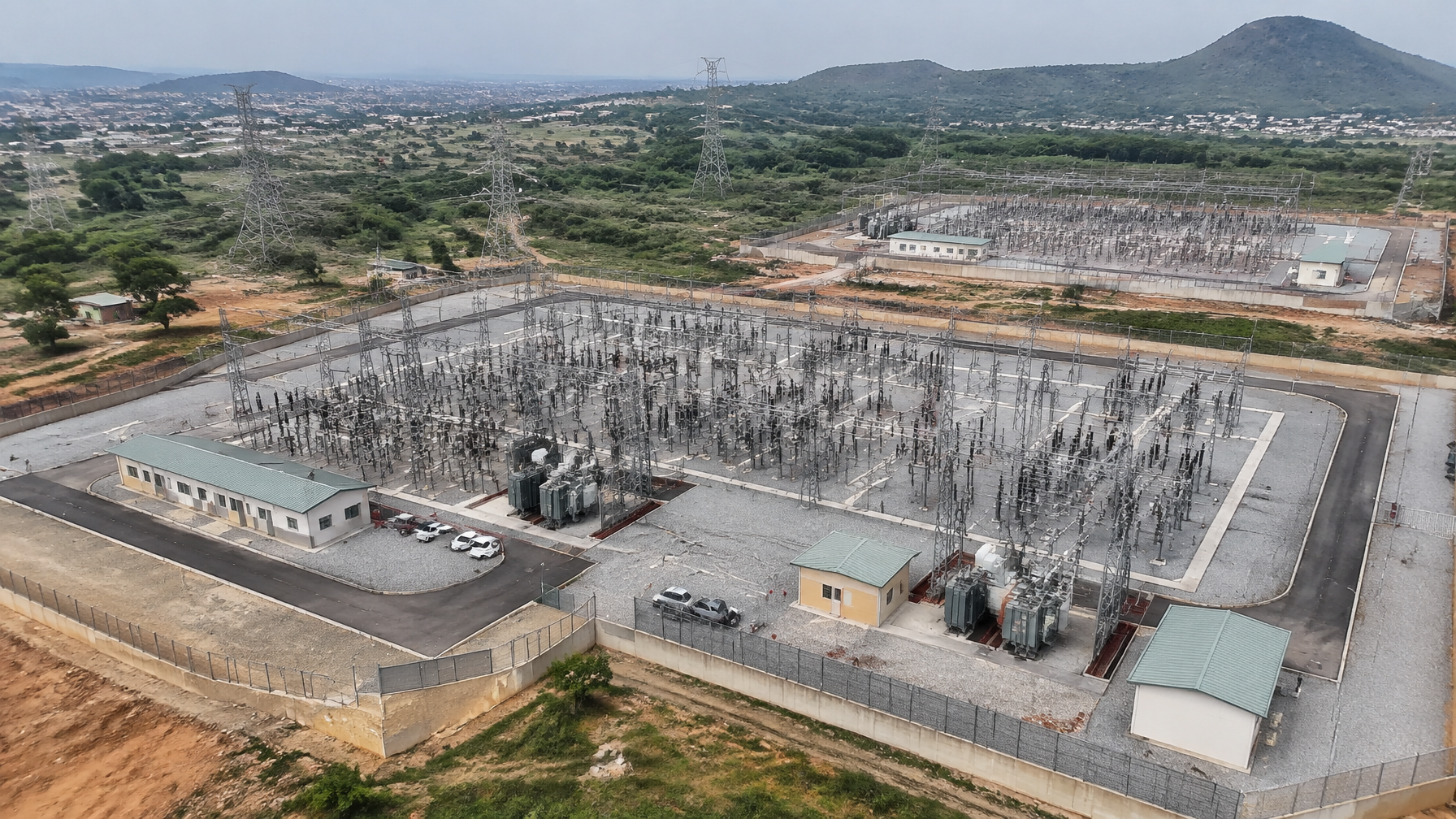
300MVA new substations Kuje Wumba Lokogoma Abuja
300MVA new capacity — Kuje 3x60MVA + Wumba 2x60MVA. (1k/low)

What the Investment Delivered: Two New Substations

At Kuje, a complete new 132/33kV substation with three 60MVA transformers was constructed. At Wumba/Lokogoma, a second substation with two 60MVA transformers was built, connected to New Apo Substation by approximately 5 km of 132kV underground cable. Together, five transformers add 300MVA of new transformation capacity — converting high-voltage transmission into medium-voltage supply used by distribution networks.
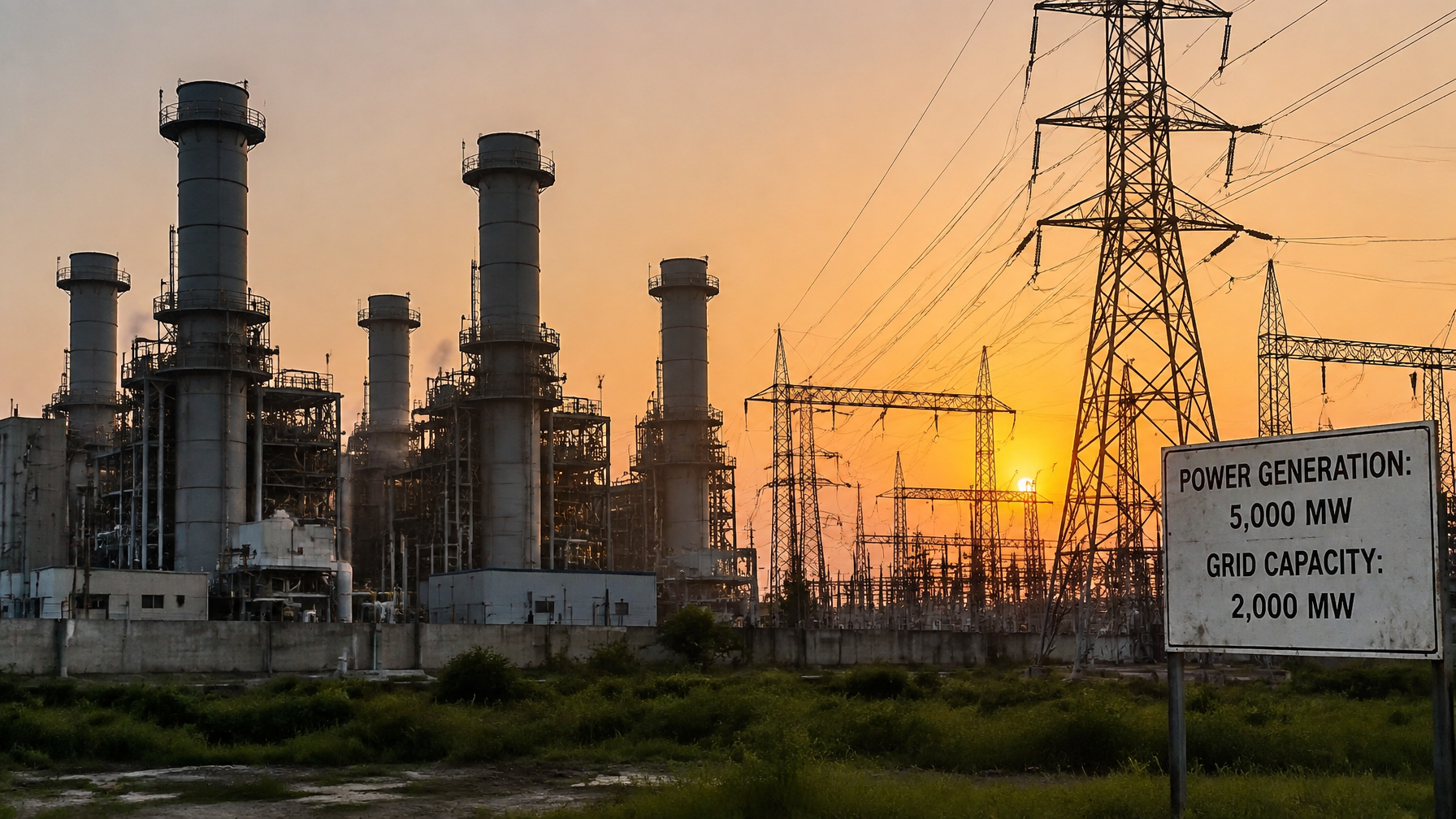
Stranded power grid bottleneck Nigeria
Unlocking stranded power — new transformation capacity lets more power reach customers.

Unlocking Stranded Power

A recurring problem is that electricity available on grid cannot always be delivered because substations and lines lack capacity. New transformation capacity helps close gap — each new substation creates additional points from which distribution feeders can draw power, allowing more electricity to reach more customers at better voltage.

For businesses, this is directly economic: every hour of reliable grid supply is an hour a company does not need to run diesel generator. Across hundreds of businesses and thousands of households, savings on fuel and maintenance can be substantial.
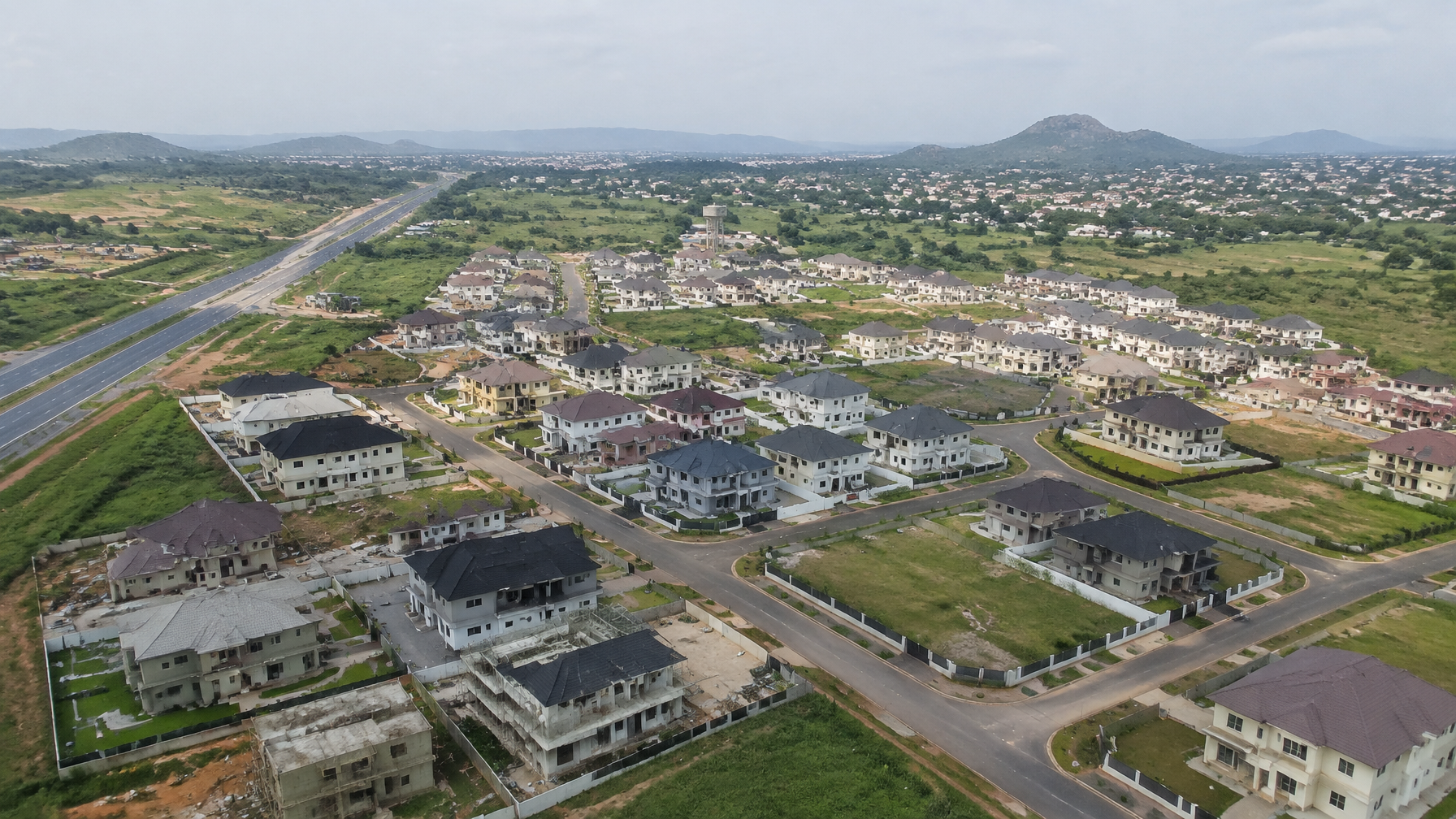
Growing Abuja capital Kuje Wumba Lokogoma residential estates
Powering a growing capital — estates expanding outward from city centre.

Powering a Growing Capital: Kuje, Wumba, Lokogoma

Abuja and surroundings have grown rapidly, with new estates, commercial developments and satellite towns expanding outward. Districts such as Lokogoma and Wumba in south, and Kuje Area Council to southwest, have seen significant development — infrastructure has struggled to keep pace. Adequate power is precondition for further investment in housing, retail, hospitality, healthcare and light industry. A new substation also increases land and property value around it.

Economic Activity During Delivery & A Long-Term Asset

The project itself generated economic activity over two-year construction — civil works, building construction, electrical installation, transport, security and local services. Complete control buildings, reinforced concrete structures, roads, drainage and fencing were built at both sites.

Transmission substations operate for decades. Value accumulates year after year as demand grows. With four 132kV line bays at Kuje and provision for multiple 33kV feeders, substations offer platform for continued growth — investment with returns measured over generation.


Kuje/Wumba/Lokogoma At-A-Glance

ItemDetails
EmployerTransmission Company of Nigeria (TCN)
ContractorInternational Consolidated Contractors (ICC)
Value/Dates$48,624,245 | Awarded May 2020 → Completed 24 June 2022 | 24 months | 5km underground cable
CapacityKuje: 3x60MVA + Wumba/Lokogoma: 2x60MVA = 300MVA total (132/33kV)

Frequently Asked Questions

Q: Why does Abuja need more substations?
New estates in Kuje/Wumba/Lokogoma outgrew existing capacity — stranded power couldn’t reach customers.

Q: What does 300MVA mean for businesses?
More reliable grid hours — fewer diesel hours and lower fuel/maintenance costs.

Q: Why underground cable?
5km 132kV XLPE underground from New Apo avoids towers and land acquisition in dense urban area.

Based on TCN certificate of completion 24 June 2022 for Kuje/Wumba/Lokogoma 300MVA project. Consult tcn.org.ng.

Tuesday, March 3, 2020

Transparency by Design: What the Kabba Contract Award Reveals About Public Procurement

Focus: Governance & Procurement | Kabba 30MWp, Kogi State | REA-NEP/C/GO/RFP/47/25E | $41,144,857.96 | Proposal 8 Jan 2020 → Award 3 Mar 2020

A two-page notification of award for a $41 million solar contract offers a revealing look at how accountability is being built into Nigeria's energy investments.

Public infrastructure in Nigeria has too often been associated with inflated contracts, opaque ownership and projects that never reach completion. Against that background, the procurement process behind the 30MWp Solarization of the 2x60MVA Transmission Substation at Kabba, Kogi State, is worth examining.

On 3 March 2020, the Rural Electrification Agency, acting through its Nigeria Electrification Project, notified International Consolidated Contractors Offshore SAL (Beirut) that its proposal had been accepted. The contract, numbered REA-NEP/C/GO/RFP/47/25E, carries $41,144,857.96 inclusive of all indirect taxes.

A Structured, Competitive Process

The award reflects a formal request-for-proposals process. The contractor's proposal was dated 8 January 2020, and the award followed less than two months later — a relatively efficient timeline. The letter notes contract amount was "corrected and modified" in accordance with instructions to proposers — pointing to a standardized evaluation process, not informal negotiation.

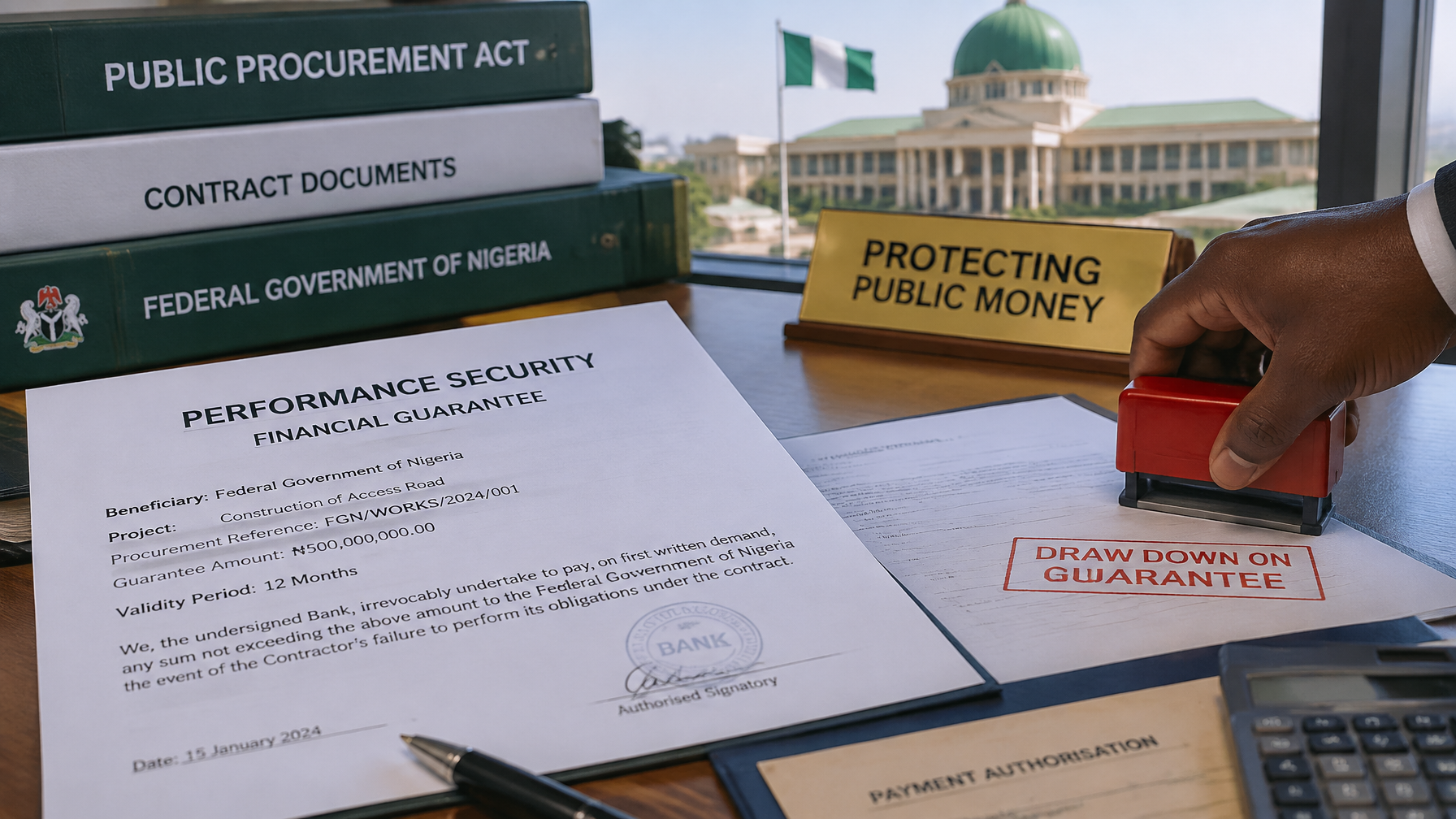
Performance security financial guarantee protecting public money Kabba
Performance security — financial guarantee protecting public money. (1k/low)

Performance Security: Protecting Public Money

The contractor was required to provide a performance security within 28 days. This financial guarantee allows government to draw on it if contractor fails to deliver — shifting risk away from public purse and giving strong incentive to meet obligations.

Beneficial ownership disclosure real owners behind contract Kabba
Beneficial ownership — knowing who is behind the contract.

Beneficial Ownership: Knowing Who Is Behind the Contract

Perhaps most significant is the requirement for beneficial ownership disclosure within eight business days. Beneficial ownership rules require companies to reveal real individuals who ultimately own/control them, rather than hiding behind layers of corporate entities. This is one of the most powerful tools for preventing conflicts of interest, corruption and money laundering in public contracts. Its inclusion reflects international best practice for development-partner-financed procurement and aligns with Nigeria's broader commitments to ownership transparency.

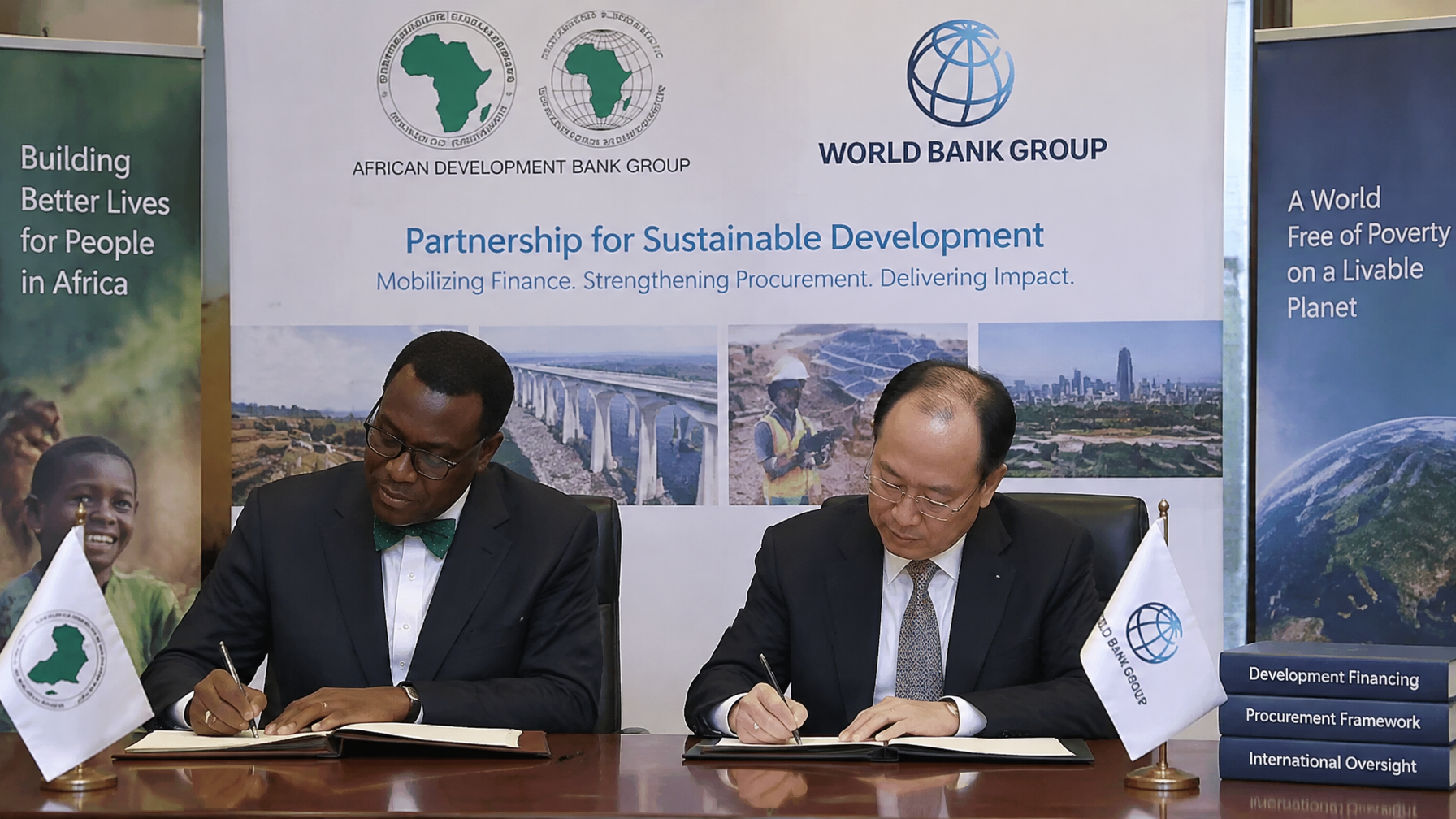
World Bank African Development Bank development partnership procurement
Development partnerships — World Bank & AfDB raise accountability.

Why Development Partnerships Matter

The Nigeria Electrification Project is supported by World Bank and African Development Bank. Beyond finance, such partnerships bring procurement frameworks, oversight and reporting obligations that raise accountability. The Kabba award letter shows clear contract numbering, documented timelines, financial guarantees and ownership transparency in operation.

From Award to Accountability & Lessons for Wider Sector

An award letter is the beginning, not conclusion. True governance lies in what follows: timely execution, quality control, transparent reporting on progress/spending, and long-term O&M. Citizens and civil society have legitimate interest in tracking these, and agencies strengthen trust when making information accessible.

As Nigeria expands power sector investment, including through states' greater role via Electricity Act 2023, Kabba's procurement practices offer benchmark: competitive proposals, published rules, financial guarantees and beneficial ownership disclosure — safeguards that ensure public money buys public value.


Kabba Award At-A-Glance

ItemDetails
EmployerREA - Nigeria Electrification Project
RefREA-NEP/C/GO/RFP/47/25E | Proposal 8 Jan 2020 → Award 3 Mar 2020
ContractorICC Offshore SAL, Beirut
Value$41,144,857.96
SecuritiesPerformance security 28 days + Beneficial ownership 8 business days

Frequently Asked Questions

Q: Why is beneficial ownership important?
It reveals real owners behind a company — preventing hidden conflicts and corruption.

Q: What does performance security do?
Financial guarantee government can draw if contractor fails — protects public funds.

Q: Why does World Bank/AfDB involvement matter?
Brings procurement standards, oversight and reporting that raise accountability beyond just financing.

Based on REA Notification of Award 3 Mar 2020 for Kabba 30MWp. Consult rea.gov.ng.

300 MVA of New Capacity: The Economic Case for Abuja's New Kuje/Wumba/Lokogoma Substations

Focus: Economic Perspective | Kuje/Wumba/Lokogoma Substations, FCT Abuja | $48,624,245 | 5x60MVA = 300MVA | TCN + ICC | Certified 24 June...